
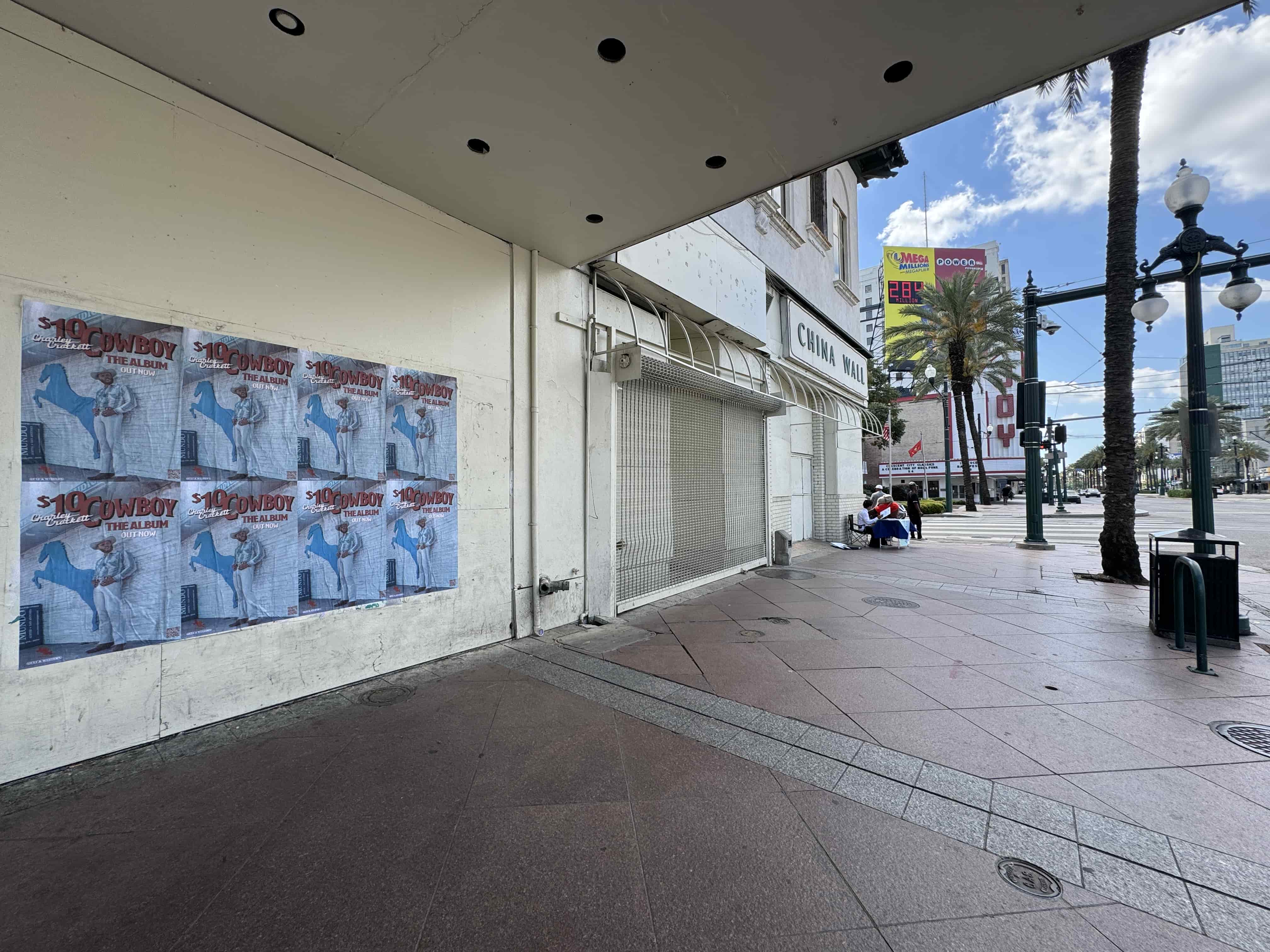
New York City is where wild posting was born. The layers of posters in neighborhoods like the Lower East Side and Williamsburg aren't just advertising — they're part of the streetscape. Brands that post here aren't interrupting; they're participating in a visual culture that's been building for decades.
But NYC is a big city, and not every block delivers the same value. The difference between posting in the right neighborhood and the wrong one is the difference between thousands of daily impressions and posters that nobody sees. Here's where to focus.
Lower East Side
The LES is ground zero for wild posting in New York. The density of available wall space, the foot traffic volume, and the audience demographic make it the most consistently effective neighborhood in the city.
Streets like Ludlow, Orchard, and Rivington see heavy pedestrian traffic from a mix of local residents, nightlife crowds, and tourists exploring the neighborhood. The creative energy here is real — brands posting alongside independent art and music promotions feel native to the environment rather than out of place.
Williamsburg
Williamsburg has evolved from an emerging neighborhood to one of the most valuable wild posting markets in the country. Bedford Avenue alone sees an estimated 40,000+ pedestrians per day. The mix of creative professionals, young consumers, and weekend visitors from other boroughs creates an audience that's highly responsive to street-level advertising.
The best corridors run along Bedford, Metropolitan, and Grand. The area around the L train stations is particularly effective — commuters passing through twice daily means guaranteed repeat exposure, which is where the real brand recall happens.
Bushwick
Bushwick offers something the other neighborhoods don't: massive wall space and a DIY aesthetic that makes wild posting feel organic rather than commercial. The area around the Jefferson L stop and along Knickerbocker and Wyckoff has become a go-to for music labels, streetwear brands, and emerging DTC companies.
Campaigns here tend to last longer because the volume of competing posters is lower than the LES or Williamsburg. Your creative gets more time on the wall, which directly impacts impression count.
SoHo & NoLita
These neighborhoods bring a different audience: higher income, fashion-forward, and heavily influenced by what they see on the street. SoHo foot traffic is among the highest in Manhattan, driven by retail shopping and tourism. Wild posting here reaches people in a buying mindset.
The trade-off is competition. Wall space in SoHo turns over faster, and the volume of active campaigns means your posters may have a shorter visible lifespan. Budget for refresh installs if you're running a 4-week campaign.
East Village
The East Village bridges the LES and Midtown audiences. It's more residential than SoHo but more commercial than Bushwick. The neighborhood supports a strong music and nightlife culture, which makes it particularly effective for entertainment campaigns — album releases, tour announcements, and event promotions perform well here.
St. Marks Place and the surrounding blocks are the primary corridors. The density of bars, music venues, and independent shops creates foot traffic patterns that peak in the evening, which is unique compared to daytime-heavy neighborhoods like SoHo.

Choosing the Right Neighborhoods for Your Campaign
The neighborhood you choose should match your audience. A luxury fashion campaign belongs in SoHo. A music campaign belongs on the LES or in Bushwick. A DTC brand targeting 25-35 year olds should blanket Williamsburg.
Most campaigns we run in NYC cover 2-3 neighborhoods to maximize reach without spreading too thin. The key is density within each neighborhood rather than scattered placements across the whole city. Twenty posters on the same corridor hit harder than twenty posters across five boroughs.
Our NYC install crews are local — they work these neighborhoods year-round and know exactly which corridors deliver the highest visibility. Every placement is documented with GPS-verified geotagged photos and mapped on an interactive pin map, delivered within 48 hours of installation. You see exactly where your campaign went up and can verify the placement quality yourself.
Campaigns can launch within 72 hours of receiving creative. Tell us your target audience, timeline, and format and we'll recommend the right neighborhoods and build a custom plan.